Ocean pollution
Millions of tons of plastic waste enter the world's oceans every year, harming marine life and entering the food chain.
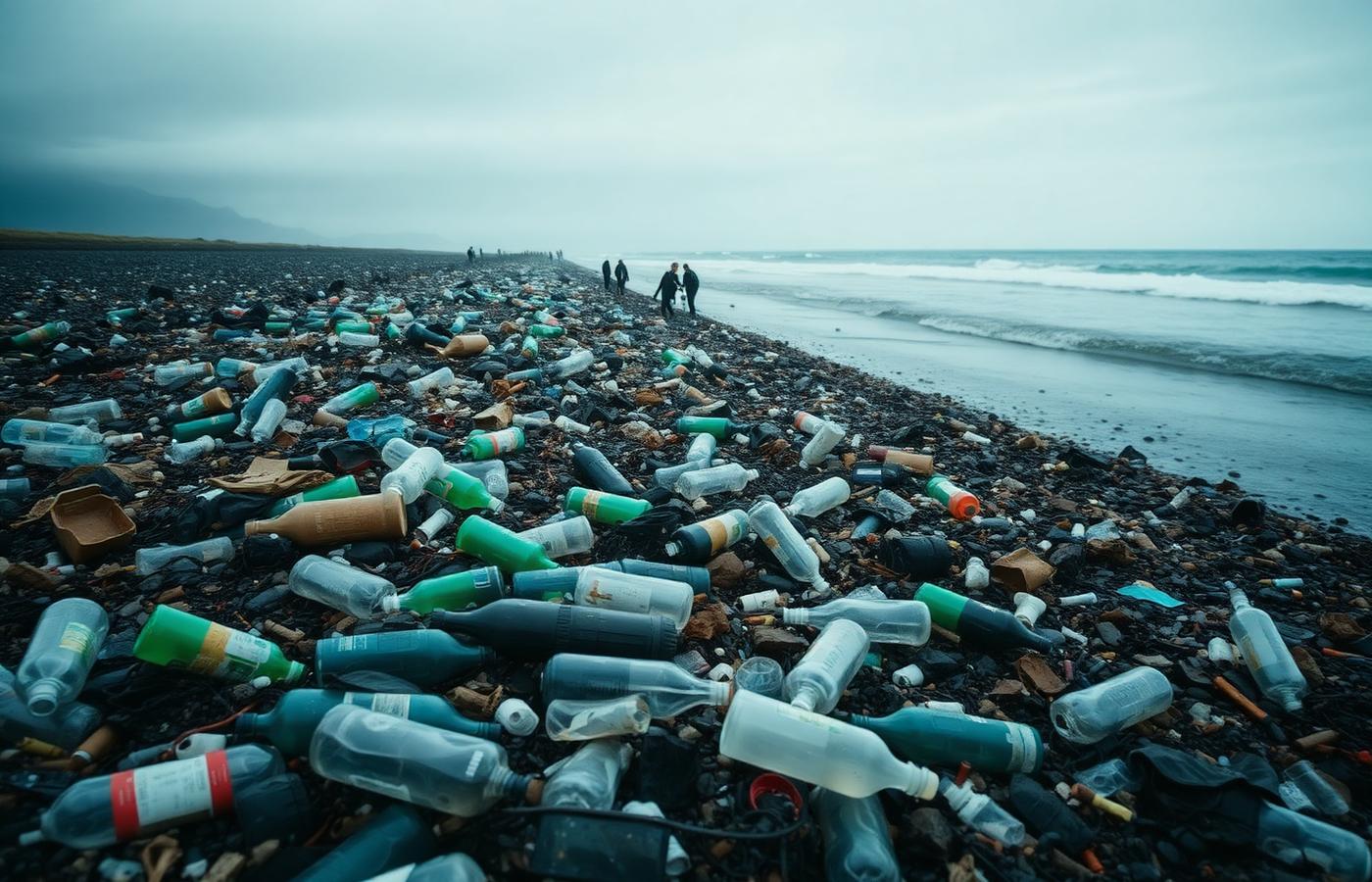
Every skipped bin becomes a decision — for polluted water, warmer air, and sicker communities. These are the consequences already unfolding.
Millions of tons of plastic waste enter the world's oceans every year, harming marine life and entering the food chain.
Poorly managed landfills can leak chemicals and heavy metals into soil and groundwater — the same sources that feed drinking wells.
Decomposing organic waste in landfills releases methane, a greenhouse gas many times more potent than CO₂ over a 20-year period (IPCC).
Microplastics have been detected in human blood and lung tissue in recent studies, and communities near landfills often report elevated health concerns.
Skipping recycling drives more mining, drilling, and logging to produce new materials — damaging forests, wetlands, and habitats.
Regulated businesses like dispensaries can face fines and license issues when packaging and product waste isn't handled per state rules.
The good news: a large share of everyday waste is recyclable or compostable, and the infrastructure to handle it already exists. What's often missing is participation and correct sorting.